Mastering Sri Lankan Hoppers: Your Authentic Recipe Guide
Sri Lankan cuisine is a vibrant tapestry of flavors, textures, and aromas, and at its very heart lies a beloved staple: the hopper. Also known as
appam or
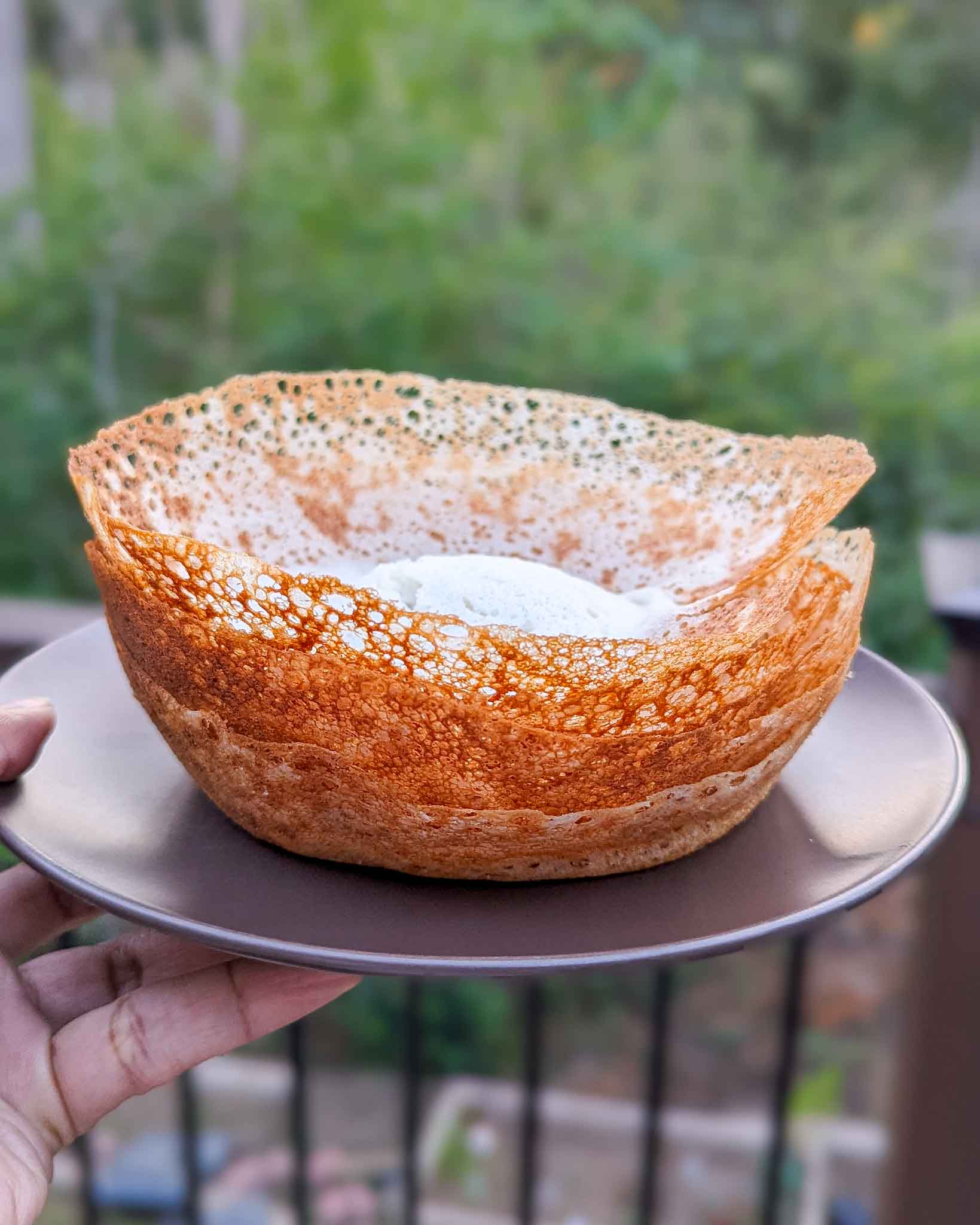
aappa, these delicate, bowl-shaped pancakes with irresistibly crispy edges and a soft, fluffy center are more than just a dish; they are a culinary experience, reflecting the island nation's rich heritage. Whether you're an adventurous home cook, a breakfast enthusiast, or simply seeking to explore authentic global flavors, learning the art of preparing hoppers at home is a rewarding journey. This comprehensive guide will equip you with all the knowledge and tips to create perfect Sri Lankan hoppers, unveiling the secrets behind these treasured
hoppers recettes.
What Makes Sri Lankan Hoppers So Unique?
Hoppers are a testament to the simplicity and genius of Sri Lankan cooking. Primarily crafted from a fermented batter of rice flour and coconut milk, their distinctive texture is truly a marvel. The fermentation process is key, lending a subtle tang and contributing to the airy, bubbly texture of the soft center, while the high heat of a special pan creates those wonderfully brittle, lace-like edges. Imagine biting into a delicate crispness that gives way to a warm, spongy core – that's the magic of a perfectly made hopper. They are incredibly versatile, served at any mealtime, from a hearty breakfast to a light dinner, often accompanied by an array of savory curries, spicy sambols, or sweet chutneys. To delve deeper into their cultural significance, you might want to
Discover Sri Lankan Hoppers: The Heart of Island Cuisine.
A Culinary Journey Through Hopper Varieties
While the basic hopper is delicious in itself, Sri Lankan cuisine offers delightful variations, each with its own charm and typical pairings. Understanding these differences is crucial for any enthusiast looking to explore the full spectrum of
hoppers recettes.
Plain Hoppers (Kaha Appa)
The quintessential plain hopper is the foundation. It showcases the pure, subtle sweetness of coconut milk balanced by the slight tang of fermentation. These are typically enjoyed with spicy accompaniments like a fiery pol sambol (coconut sambol), seeni sambol (onion relish), or a variety of fish, chicken, or vegetable curries. Their mild flavor makes them an ideal canvas for robust, spicy pairings, allowing the richness of the curries to shine through.
Egg Hoppers (Biththara Appa)
For an added layer of richness and protein, egg hoppers are an absolute favorite, especially for breakfast. Here, a fresh egg is cracked directly into the center of the cooking hopper batter, allowing it to gently steam or fry until the white is set and the yolk remains delightfully runny. This creates a more substantial and satisfying meal, where the creamy yolk beautifully complements the crisp edges and soft base. A sprinkle of salt and pepper, sometimes a touch of chili flakes, is all that's needed to enhance this simple yet elegant variation.
String Hoppers (Indi Appa)
Unlike their bowl-shaped cousins, string hoppers are a different, yet equally cherished, form. Made from a separate dough of rice flour and water, this batter is extruded through a special press, forming delicate, noodle-like strands that are then steamed. These delicate "nests" of rice noodles are incredibly light and absorb the flavors of accompanying curries wonderfully. They are typically served with Kiri Hodi (a mild coconut milk curry) and pol sambol, offering a lighter alternative to the fermented pancake variety. For a detailed look into these different types, you can
Unlock the Secrets of Sri Lankan Hoppers: Plain, Egg & String.
The Historical Roots and Evolution of Hoppers
The exact origins of hoppers, like many ancient culinary traditions, are shrouded in the mists of time, yet their presence is deeply woven into the fabric of Sri Lankan culture. Historically, the process of making hoppers was quite laborious, involving the arduous task of hand-grinding rice to create the fine flour needed for the batter. This painstaking effort underscores the value and significance placed on hoppers as a staple food.
Over centuries, as culinary practices evolved and modern conveniences became available, the preparation of hoppers has become more accessible. The advent of readily available rice flour has transformed what was once an all-day affair into a manageable home cooking project. Despite these changes, the essence of the hopper remains unchanged: a comforting, versatile dish that has transitioned seamlessly from traditional village kitchens to bustling urban street food stalls and elegant restaurant menus, adapting to modern palates and busy lifestyles while retaining its authentic charm.
Mastering the Authentic Hopper Recipe (Hoppers Recettes)
Now, let's dive into the practical steps of creating your very own Sri Lankan hoppers. The key to success lies in understanding the ingredients, the fermentation process, and mastering the cooking technique.
Ingredients & Essential Equipment
To embark on your hopper-making adventure, gather these essential items:
*
200 g (1 ½ cups) Rice Flour: Opt for a fine, good quality rice flour.
*
1 tsp Active Dry Yeast: Crucial for the fermentation.
*
175 ml (¾ cup) Water: Lukewarm, to activate the yeast.
*
200 ml (¾ cup + 2 tbsp) Coconut Milk: Full-fat canned coconut milk works best for richness.
*
1 tsp Sugar: Feeds the yeast and enhances browning.
*
½ tsp Salt: To taste and balance flavors.
*
Oil or Coconut Oil: For greasing the pan.
Equipment:
The most crucial piece of equipment is an
appachatti, a specific round-bottomed pan designed for hoppers. Its unique shape allows for the formation of the characteristic bowl shape. If an appachatti isn't available, a small wok or a round-bottomed non-stick pan with high sides can serve as a decent substitute.
The Fermentation Secret: Perfecting Your Batter
The heart of any authentic hopper recipe lies in its fermented batter. This process develops the complex flavors and creates the distinctive texture.
1.
Activate the Yeast: In a medium bowl, combine the lukewarm water, sugar, and active dry yeast. Stir gently and let it sit for 5-10 minutes until frothy. This indicates the yeast is active.
2.
Combine Dry Ingredients: In a large mixing bowl, whisk together the rice flour and salt.
3.
Mix the Batter: Pour the activated yeast mixture and the coconut milk into the rice flour mixture. Whisk thoroughly until you have a smooth, lump-free batter. It should be of a pouring consistency, similar to a thin pancake batter. If it's too thick, add a tablespoon or two more water; if too thin, add a teaspoon of rice flour.
4.
Ferment: Cover the bowl with a clean kitchen towel or plastic wrap and let it sit in a warm place for 8-12 hours, or overnight. The fermentation time can vary based on ambient temperature. You’ll know it’s ready when the batter has visibly risen, shows small bubbles, and has a slightly sour aroma. It should have thickened slightly. *Chef's Tip: In cooler climates, placing the bowl in a slightly warm (but turned off) oven or near a warm appliance can help.*
Cooking Your Hoppers: Step-by-Step
Once your batter is perfectly fermented, the cooking process is quick and satisfying.
1.
Heat the Pan: Place your appachatti or wok over medium-high heat. Allow it to heat up for a few minutes until it's quite hot.
2.
Grease the Pan: Lightly grease the pan with a tiny bit of oil. You can use a paper towel to spread it evenly and wipe off any excess. The pan should be just coated, not oily.
3.
Pour the Batter: Give your fermented batter a gentle stir (don't overmix, or you'll lose the bubbles). Pour about ¼ cup (60ml) of batter into the center of the hot pan.
4.
Swirl for Shape: Immediately lift the pan and gently swirl the batter to coat the sides, creating the characteristic thin, crispy edges and leaving a thicker pool in the center. This motion is key to the hopper's unique shape.
5.
Cook (Plain Hopper): Cover the pan with a lid and cook for 2-3 minutes, or until the edges are golden brown and crispy, and the center is cooked through but still soft and spongy. The steam trapped under the lid helps cook the center.
6.
For Egg Hoppers: If making egg hoppers, after swirling the batter and before covering, crack an egg directly into the thick center. Season with a pinch of salt and pepper. Cover and cook until the egg white is set and the yolk is cooked to your preference (many prefer a runny yolk).
7.
Remove and Serve: Carefully slide a spatula under the cooked hopper and lift it out. Serve immediately.
8.
Repeat: Lightly grease the pan again if needed and repeat the process with the remaining batter.
Tips for Perfect Hoppers
*
Pan Temperature is Key: A properly hot pan is essential for crisp edges and preventing sticking. If your first hopper isn't perfect, adjust the heat.
*
Don't Over-Grease: Too much oil will result in greasy hoppers and prevent the batter from clinging to the sides properly.
*
Batter Consistency: This is critical. If your batter is too thick, the edges will be doughy; too thin, and they won't hold their shape. Adjust with a little water or rice flour as needed.
*
Fermentation Time: This can vary. Trust your instincts – look for bubbles and a slightly tangy smell. If left too long, the batter can become excessively sour.
*
Serve Immediately: Hoppers are best enjoyed fresh off the pan while their edges are at their crispiest.
Serving Sri Lankan Hoppers
Hoppers are incredibly versatile and can be paired with almost anything. For a truly authentic experience, serve them with:
*
Pol Sambol: A spicy and fresh coconut relish made with grated coconut, chili, lime, and onions.
*
Seeni Sambol: A sweet and spicy caramelized onion relish.
*
Fish Ambul Thiyal: A sour fish curry, a staple of Sri Lankan cuisine.
*
Dhal Curry (Parippu Curry): A mild, creamy lentil curry that balances out spicier accompaniments.
*
Kiri Hodi: A fragrant, mild coconut milk gravy, often served with string hoppers.
*
Sugar and Curd (Yogurt): For a simple, sweet treat, especially for plain hoppers.
Conclusion
Mastering Sri Lankan hoppers at home is a delightful culinary achievement that brings a piece of the island nation's heart into your kitchen. From the delicate balance of fermented rice flour and coconut milk to the satisfying crisp of their unique form, these pancakes offer an authentic taste experience. By following these detailed
hoppers recettes and tips, you're not just cooking; you're engaging with a rich cultural tradition. So, gather your ingredients, fire up your appachatti, and prepare to impress your taste buds with these incredible, homemade Sri Lankan hoppers. Enjoy the journey and the delicious reward!