Discover Sri Lankan Hoppers: The Heart of Island Cuisine
Embark on a culinary journey to the sun-kissed shores of Sri Lanka, and you're bound to encounter a true gastronomic treasure: hoppers. Known locally as
appam or
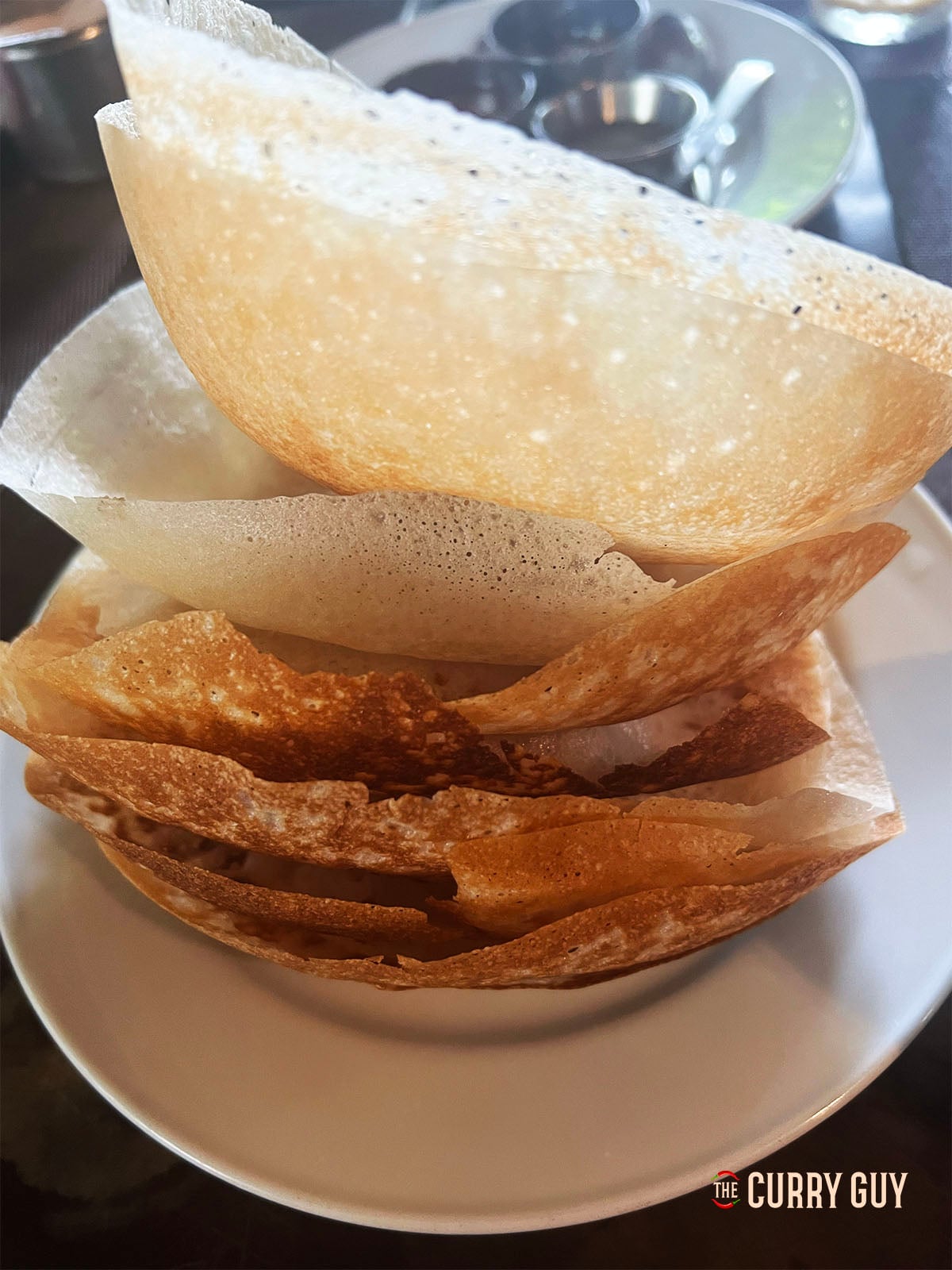
aappa, these distinctive, bowl-shaped crepes are more than just a dish; they are a vibrant symbol of Sri Lankan culture, embodying the island's rich heritage and diverse flavors. With their signature crispy edges and soft, fluffy centers, hoppers offer a unique textural and taste experience that captivates locals and visitors alike. Whether you're a seasoned foodie eager for new adventures, a breakfast enthusiast seeking unique morning delights, or simply curious to explore authentic world cuisines, learning about and preparing hoppers at home promises a truly rewarding adventure.
The Culinary Tapestry of Sri Lankan Hoppers
Hoppers are an indispensable pillar of Sri Lankan gastronomy, showcasing the island's ingenious use of local ingredients and traditional cooking methods. At their core, hoppers are crafted from a fermented batter of rice flour and coconut milk, a combination that imparts their characteristic delicate flavor and remarkable texture.
What Makes a Hopper? The Signature Texture and Flavor
The magic of a hopper lies in its duality: a beautifully crisp, lace-like edge that gives way to a soft, spongy bottom. This unique contrast is achieved through the fermentation process of the batter, which develops complex flavors, and the specific cooking technique in a specialized pan. The subtle sweetness of coconut milk permeates the crepe, creating a mild, comforting base that pairs exquisitely with a myriad of accompaniments. This simple yet profound flavor profile makes hoppers incredibly versatile, ready to complement anything from spicy sambols to rich curries.
Beyond the Basics: Exploring Diverse Hopper Varieties
While the basic hopper is a delight in itself, the Sri Lankan culinary scene offers several enticing variations, each with its own charm and appeal. To
unlock the secrets of Sri Lankan hoppers: plain, egg & string, understanding these distinctions is key.
- Plain Hoppers: These are the quintessential hoppers, made purely from the fermented rice flour and coconut milk batter. They possess a delicate, slightly sweet coconut flavor and are typically served as a blank canvas, perfect for soaking up the robust flavors of various side dishes like spicy sambal or hearty curries. Their simplicity is their strength, allowing accompanying flavors to truly shine.
- Egg Hoppers: A beloved breakfast staple, egg hoppers elevate the plain version with the addition of a whole egg cooked directly in the center of the hopper. As the batter sets, an egg is cracked into the middle, creating a savory, creamy core within the crispy shell. This transforms the hopper into a more substantial and protein-rich meal, highly cherished for its added richness and satisfying texture.
- String Hoppers (Idiyappam): While sharing the "hopper" name, string hoppers are a distinct culinary creation. Unlike their bowl-shaped counterparts, these delicate, noodle-like discs are made from a different batter of rice flour and water, extruded through a special press to form fine strands. These strands are then steamed to perfection, resulting in soft, ethereal nests of noodles. String hoppers are commonly served with various curries, particularly dhal curry, and often accompanied by a fragrant coconut sambal.
A Journey Through Time: The Enduring Legacy of Hoppers
The precise origins of hoppers, like many ancient culinary traditions, remain somewhat shrouded in history. However, their deep integration into Sri Lankan life speaks volumes about their enduring significance. Historically, hoppers were a labor of love, prepared with rice ground by hand – a testament to the dedication involved in traditional cooking. The advent of readily available rice flour has simplified the process, making it more accessible for home cooks and bustling street food vendors alike.
Over centuries, hoppers have seamlessly evolved, transitioning from perhaps an early form of sustenance to an indispensable part of daily meals and special occasions. They are a familiar sight at bustling street food stalls, elegant hotel buffets, and humble family breakfast tables across the island. This adaptability underscores their status as a versatile and cherished food item, perfectly suited to modern schedules and diverse palates.
Mastering the Art: Essential Tips for Perfect Hoppers at Home
For those eager to find authentic
hoppers recettes and bring this island delicacy into their homes, mastering a few key techniques is essential. While the concept seems simple, precision and patience yield the most authentic and delicious results. This guide will provide practical insights beyond just ingredients, focusing on the nuances that make all the difference.
Key Ingredients and Equipment
To embark on your hopper-making adventure, gather these fundamental ingredients:
- 200g rice flour (fine variety is best)
- 1 pinch active dry yeast
- 175ml water
- 200ml coconut milk (full fat for richness)
- 1 teaspoon sugar
- Salt to taste
The most crucial piece of equipment is the
appachatti, a small, round-bottomed pan specifically designed for making hoppers. Its unique shape allows for the distinctive bowl form. If an appachatti isn't available, a well-seasoned small wok or a similar round-bottomed non-stick pan can serve as an effective substitute.
The Fermentation Secret
The heart of a perfect hopper lies in its fermented batter. This process isn't just about leavening; it's about developing the complex, slightly tangy flavor and the ideal airy texture. Combine the rice flour, yeast, water, sugar, and a pinch of salt. Gradually add the coconut milk until you achieve a smooth, lump-free batter with the consistency of thin pancake batter – it should be pourable but not watery. Cover the batter and allow it to ferment in a warm place for at least 8-12 hours, or even overnight. You'll know it's ready when you see small bubbles forming on the surface, indicating the yeast is active. A properly fermented batter is crucial for those characteristic crispy edges and a soft center.
The Cooking Technique
Once your batter is perfectly fermented, the cooking process begins.
- Heat the Pan: Place your appachatti or wok over medium heat. Lightly oil the pan with a tiny bit of neutral oil, wiping away any excess with a paper towel. The pan should be hot but not smoking.
- Swirl the Batter: Pour about half a ladleful of batter into the center of the hot pan. Immediately lift the pan and gently swirl it in a circular motion, allowing the batter to spread thinly up the sides, creating those delicate, lacy edges. The center will naturally be thicker.
- Cover and Cook: If making a plain hopper, simply cover the pan with a lid. If making an egg hopper, crack an egg into the center of the hopper after about 30 seconds of cooking, then cover.
- Perfect Timing: Cook for 2-3 minutes, or until the edges are golden brown and crispy, and the center is set and spongy. The key is to achieve a beautiful crispness without overcooking the center.
For those diving deep into
mastering Sri Lankan hoppers, remember that practice makes perfect. The first few hoppers might not be flawless, but with each attempt, you'll gain confidence in controlling the heat and swirling the batter.
Pairing Your Hoppers: A Symphony of Sri Lankan Flavors
Hoppers are rarely enjoyed on their own; they are designed to be paired with a vibrant array of Sri Lankan accompaniments. These pairings create a harmonious balance of flavors and textures, transforming a simple crepe into a wholesome and exciting meal.
Traditional accompaniments often include:
- Sambols: These spicy relishes are non-negotiable. Pol Sambol (coconut sambol) is a fresh, fiery mix of grated coconut, chili, lime, and red onion. Lunumiris is a simpler, potent chili and onion paste.
- Curries: A variety of mild or spicy curries are perfect partners. Parippu Curry (dhal curry) is a creamy lentil stew, a common and comforting pairing. Fish, chicken, or vegetable curries also provide rich, aromatic flavors that complement the hoppers beautifully.
- Chutneys: Sweet and tangy chutneys can add another layer of flavor, offering a cooling counterpoint to spicier dishes.
Hoppers are incredibly versatile, fitting seamlessly into any meal of the day. They make a fantastic, light breakfast when paired with an egg and sambol, a satisfying lunch or dinner with a selection of curries, or even a delightful snack. Their ability to adapt makes them a favorite for both everyday dining and festive occasions.
Conclusion
Sri Lankan hoppers offer a unique window into the island's vibrant culinary soul. From their humble origins as hand-ground rice creations to their modern-day status as beloved street food and breakfast staples, hoppers continue to captivate with their distinct texture and versatile flavor. Whether you're exploring the world of
mastering Sri Lankan hoppers or simply curious about new culinary horizons, the journey of discovering hoppers, and perhaps even finding your favorite
hoppers recettes, is one well worth taking. So, gather your ingredients, fire up your appachatti, and prepare to savor a delicious piece of Sri Lanka in your own home.